update page now

New: EU CAPTCHA – GDPR-compliant bot protection. Try it free for 3 months!

Cybersecurity Update Q3 2024

Escalating DDoS Threat Situation Calls for Strategic Responses

SECURITY INSIGHTS | October 18, 2024
AUTHOR: Christof Klaus, Head of Global Network Defense

The cyber security situation has worsened dramatically in recent months. In the update for Q3 2024, you can find out more about the latest developments based on data from our Myra Security Operations Center (SOC). In particular, the increase in DDoS attacks on public institutions underlines the urgency of holistic protection measures.

Cybersecurity Update Q3 2024

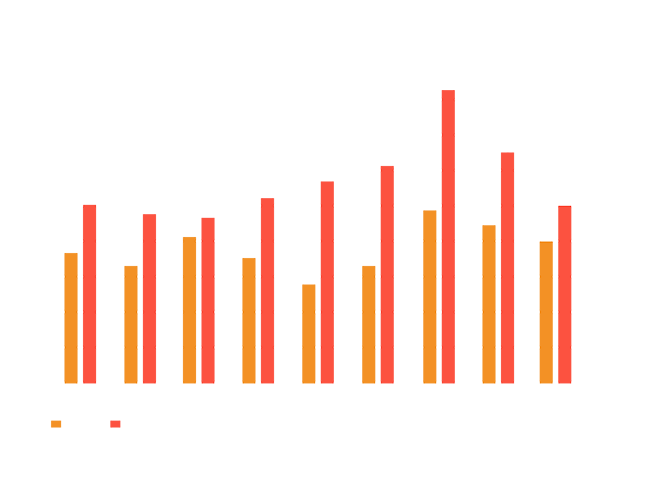
The cyber security situation escalated significantly in the third quarter of 2024. The analysis of the defense data from our Myra SOC shows a sharp increase in malicious web requests in the third quarter of 2024 compared to the same period last year. Specifically, the monitoring systems recorded an increase of 46.6 percent. The trend was particularly striking in July 2024, which saw the sharpest increase of 69.7 percent compared to July 2023. This malicious traffic is made up of DDoS attacks, attacks on vulnerabilities in online applications and bot-based attacks.

The experiences from the SOC align with the analyses of the European Union Agency for Cybersecurity (ENISA), which in their new "Threat Landscape 2024" report lists DDoS attacks, accounting for 46.3 percent of all attacks, as the largest cyber threat in the EU, followed by ransomware with 27.3 percent. The public sector, transportation, and financial industries are particularly frequently affected.

The observed increase in the third quarter seamlessly fits into the overall trend of 2024 – over the course of the year so far, Myra's systems have recorded an increase of 50.6 percent. The continuous rise in cyberattacks over several quarters highlights the necessity of ongoing adaptation and improvement of security strategies in companies and organizations.

Massive Wave of DDoS Attacks Ahead of Austrian National Council Elections

In September 2024, a significant surge in DDoS attacks on Austrian organizations was observed over an extended period. On September 16, CERT.at warned about the wave of attacks, which subsided only after the National Council elections on September 29. These coordinated attacks impacted various sectors and resulted in temporary outages and disruptions at several affected institutions.A central national authority was able to defend itself against a 24-hour attack with our protection systems, ensuring that it was unaffected.

The increase in cyber attacks over several quarters highlights the need to continually update and improve security strategies.
Christof Klaus
Head of Global Network Defense at Myra Security
Malicious Traffic

24-Hour Attack on Austrian Authority

Over a period of 24 hours, attackers attempted to overload the systems of the state authority using various methods. However, thanks to Myra's certified security infrastructure, the attacks were immediately detected and repelled at all network levels. The sophisticated automation processes enabled a lightning-fast response.

Malicious Traffic

2023 vs 2024

In the third quarter of 2024, the number of malicious web requests increased by 46.6 percent compared to the previous year. A central event in Q3 was the massive wave of DDoS attacks surrounding the Austrian National Council elections, during which a central national authority successfully defended against a 24-hour attack.

Malicious Traffic

July 2024

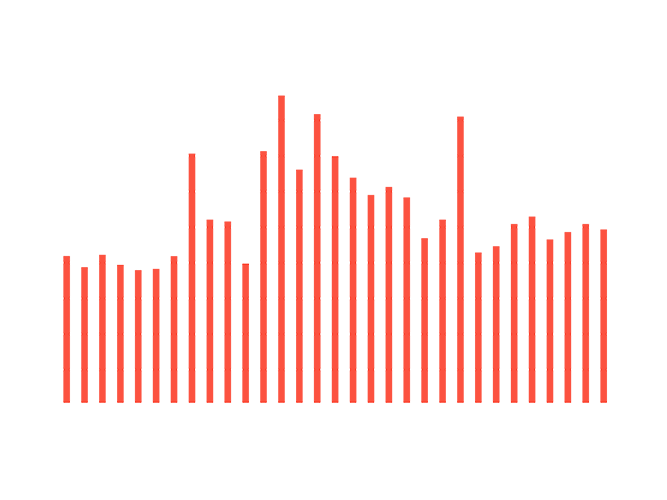
July marked the strongest increase in malicious traffic in Q3, with a 69.7 percent rise compared to the same month the previous year. Notably, this significant surge occurred in parallel with the extensive CrowdStrike outages that affected many companies worldwide and further strained IT security departments.

Malicious Traffic

August 2024

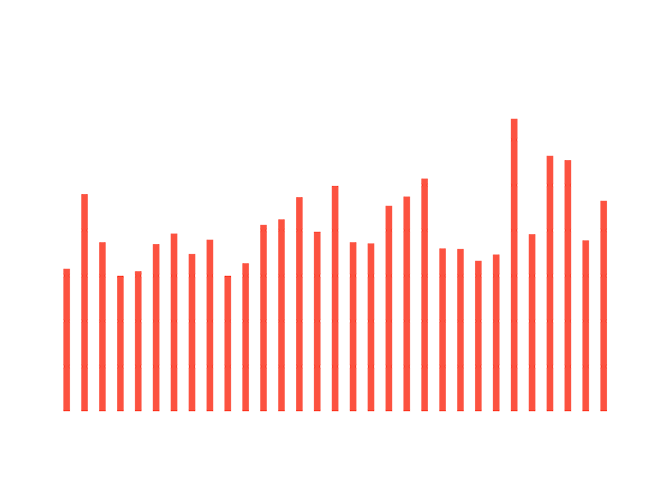
In August, Myra's monitoring systems recorded an increase in malicious requests of 41.48 percent. One reason for this rise is the increasing professionalization of cybercriminals and the trend towards Cybercrime-as-a-Service offerings. Additionally, attackers are increasingly using Artificial Intelligence (AI) to create malware or phishing campaigns quickly and cheaply – already, every second company is concerned about AI-driven attacks.

Malicious Traffic

September 2024

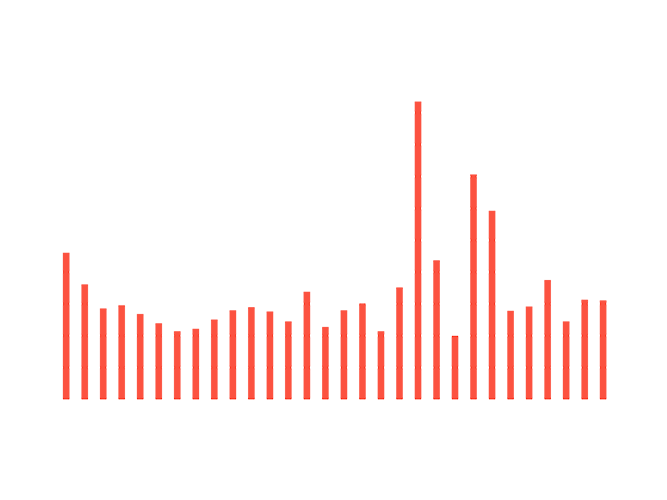
On September 16, the Austrian Computer Emergency Response Team (CERT.at) warned of a large-scale DDoS attack campaign against authorities and organizations in the country. The websites of ministries, administrative agencies, energy suppliers, public transportation providers, and political parties were particularly affected. The wave of attacks can also be traced through the mitigation data from the Myra SOC, with a notable mention of a 24-hour attack on an Austrian authority.

Malicious Traffic

24-Hour Attack on Austrian Authority

Over a period of 24 hours, attackers attempted to overload the systems of the state authority using various methods. However, thanks to Myra's certified security infrastructure, the attacks were immediately detected and repelled at all network levels. The sophisticated automation processes enabled a lightning-fast response.

Malicious Traffic

2023 vs 2024

In the third quarter of 2024, the number of malicious web requests increased by 46.6 percent compared to the previous year. A central event in Q3 was the massive wave of DDoS attacks surrounding the Austrian National Council elections, during which a central national authority successfully defended against a 24-hour attack.

Similar Articles