New: AI Workspace – Secure AI for Organizations With Sensitive Data. Learn more.

IT Security for Healthcare

Myra develops customized IT security solutions specifically for the healthcare sector. Our powerful defenses protect clinics and e-health providers from the most serious cyber threats. At the same time, our performance solutions ensure that IT security is maintained in healthcare facilities without impacting daily operations.

Ambulance

Trusted by CISOs

Logo BarmeniaBioscientiaLR Health & Beauty SystemsLogo Smartify IT
CYBERSECURITY

How IT Security Is Driving Healthcare Forward

New areas such as telemedicine require a secure and stable data connection between doctors and patients. In extreme cases, inadequate IT security can put healthcare organizations under enormous pressure.

According to the Allianz Risk Barometer, cyber incidents pose the greatest risk to the healthcare sector. Research by the international Ponemon Institute shows that 9 out of 10 healthcare organizations have been affected by at least one cyberattack in the last 12 months. 77 percent of those affected state that these attacks also affected patient care.

In critical situations in particular, every second counts: if attackers delay access to important information such as diagnoses, laboratory results or surgical reports, this has a serious impact on treatment. If cyber criminals manipulate the readings of e-health sensors for blood pressure, heart rate or glucose levels, for example, there is a risk of serious damage to the health of those impacted.

IT risk management enables healthcare organizations to implement effective IT security measures and thus increase their operational resilience.

Critical infrastructure-proven protection systems for healthcare

Icon DDoS Schutz

DDoS Protection

Myra automatically detects and blocks malicious traffic, keeping your applications available even under heavy DDoS attacks.

Learn more
Icon WAF

Web Application Firewall

The Myra Web Application Firewall detects and blocks suspicious activity in real time, protecting against known exploits and zero-day vulnerabilities.

Mehr erfahren
Icon Global CDN

CDN

With a global network of strategically placed servers, Myra delivers your content fast and with low latency.

Mehr erfahren
Regulatory

IT Compliance as a Regulatory Challenge in the Healthcare Sector

The regulatory requirements for digital systems and processes are particularly high in the healthcare sector. To ensure IT compliance in accordance with the requirements of the Patient Data Protection Act (PDSG), the General Data Protection Regulation (GDPR), the NIS-2 Directive and the Federal Data Protection Act (BDSG), solid expertise and reliable technologies are required. Facilities that are classified as critical infrastructures (KRITIS) are subject to additional IT risk management requirements.

Overall, healthcare facilities must regularly demonstrate compliance with strict protection guidelines and ensure the integrity, availability, authenticity, and confidentiality of data and processes. Accordingly, IT security needs to implement healthcare-specific requirements precisely to ensure regulatory compliance.

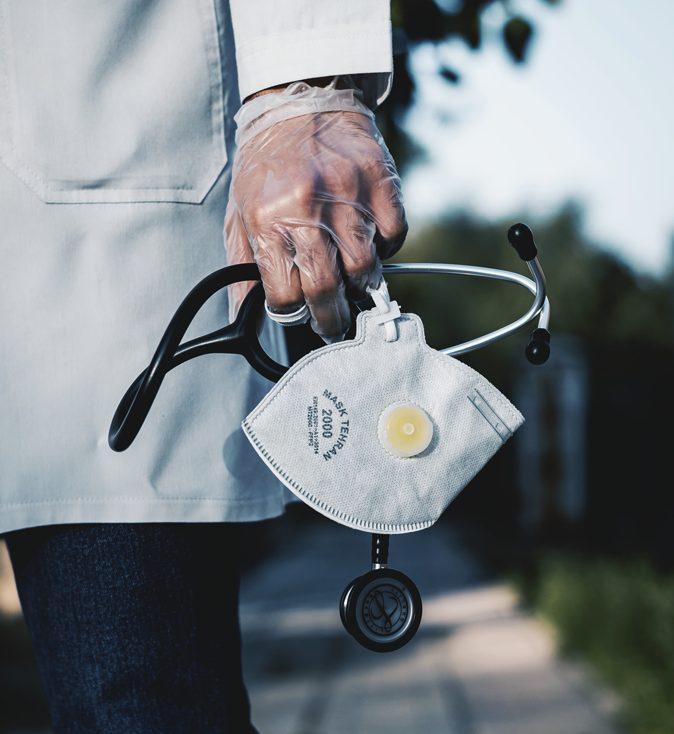
Doctor with mask and stethoscope in hand
THE BIGGEST THREATS TO E-HEALTH

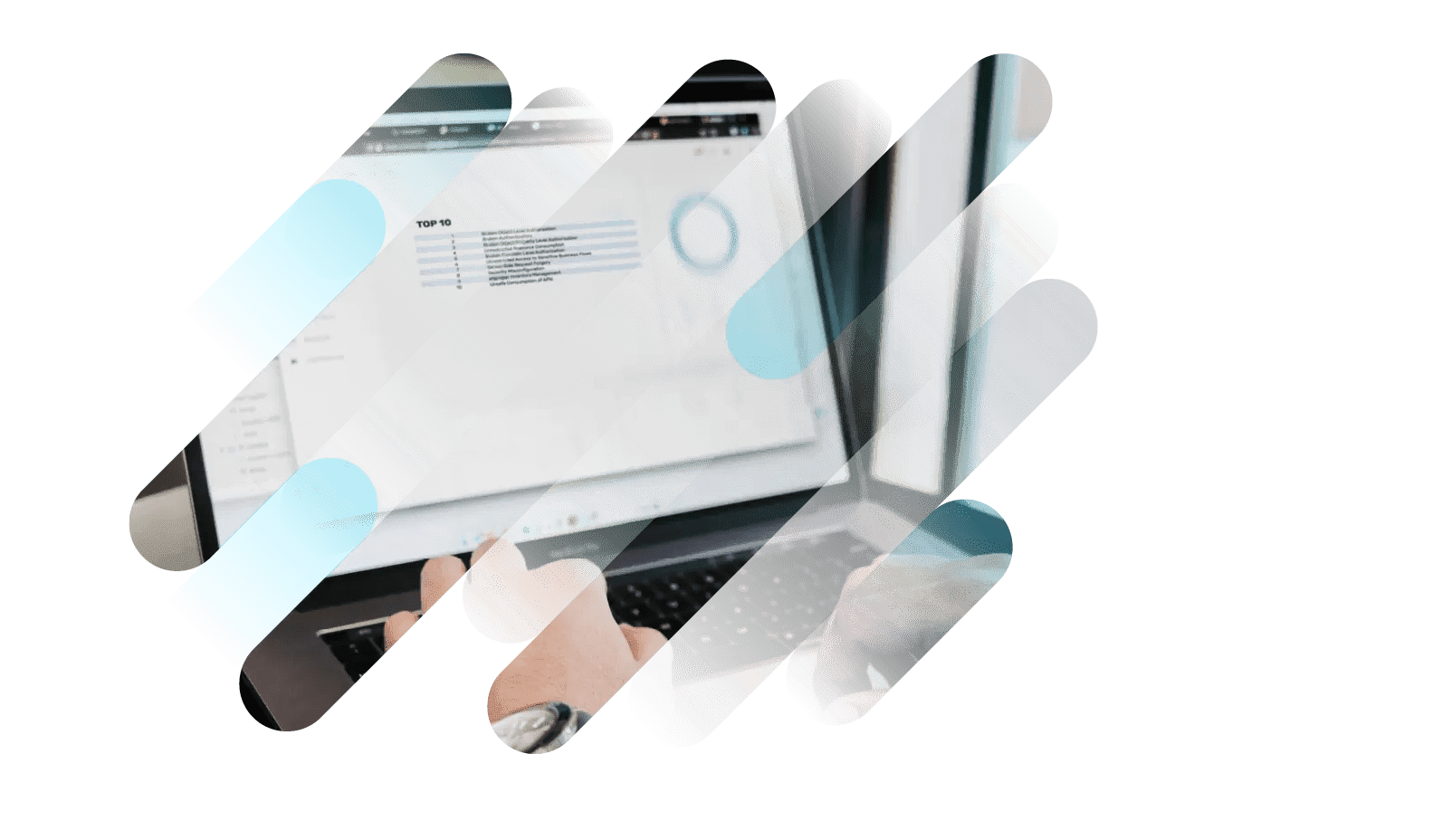
OWASP Top 10

The OWASP Top 10 is a list of the ten most critical security risks for web applications, which is compiled and regularly updated by the Open Web Application Security Project (OWASP) Foundation. They serve as an important document for developers and security experts to find out about the most common and most dangerous security vulnerabilities in web applications.

THE BIGGEST THREATS TO E-HEALTH

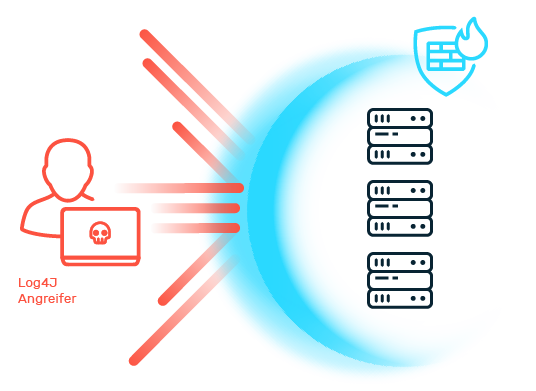
DDoS Attack

In a distributed denial of service (DDoS) attack, attackers direct artificial traffic to the IT infrastructures, web applications or online APIs of e-health providers. As a result, the affected services are slowed down or fail completely. The problems continue until the attacker ends the attack or the affected organization takes appropriate countermeasures.

DDoS attacks
THE BIGGEST THREATS TO E-HEALTH

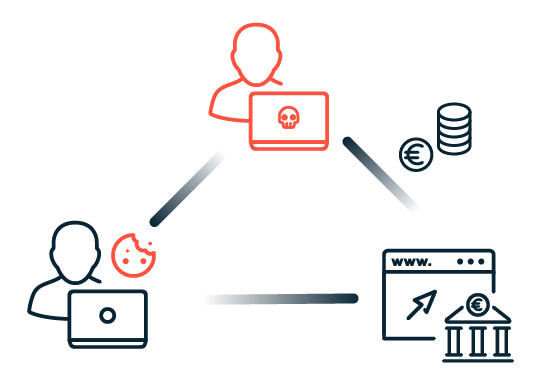
Credential Stuffing

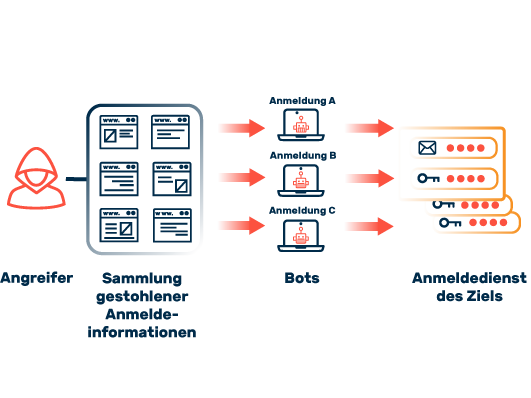
The systematic misuse of access data through credential stuffing is one of the most frequently used methods of attack by cybercriminals against e-health services. Above all, trading the stolen information is a lucrative source of income for attackers.

Sequence of an attack by means of credential stuffing
THE BIGGEST THREATS TO E-HEALTH

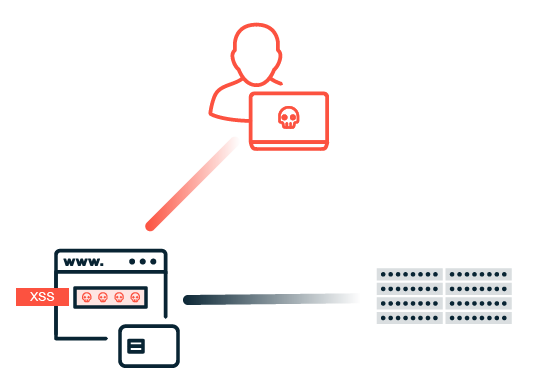
Cross-Site Scripting (XSS)

In an XSS attack, cybercriminals inject malicious code into web applications by exploiting security vulnerabilities. XSS attacks allow attackers to gain control of a victim's browser, steal sensitive data such as cookies or login information and potentially compromise the entire user account.

Cross-Site Scripting (XSS)
THE BIGGEST THREATS TO E-HEALTH

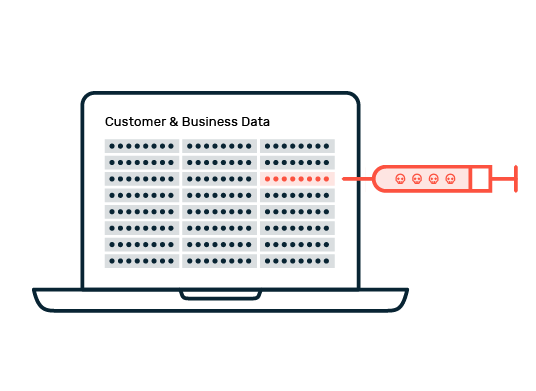
SQL Injection

In an SQL injection attack, cybercriminals specifically exploit security vulnerabilities to inject manipulated commands or malicious code via input masks, for example. The attackers aim to manipulate the underlying database and gain unauthorized access to confidential information.

SQL Injection
THE BIGGEST THREATS TO E-HEALTH

Zero-Day Exploits

Zero-day exploits are security gaps in software or hardware that are still unknown to the manufacturer and for which there are no patches yet. These vulnerabilities are exploited by attackers to compromise systems, often before the affected companies have even found out about the gap. Nevertheless, there are suitable solutions for taking appropriate countermeasures promptly until the necessary updates are available.

THE BIGGEST THREATS TO E-HEALTH

Cross-Site Request Forgery (CSRF)

Attackers trick the user's browser into sending manipulated HTTP requests to a website or web application to trigger unwanted actions. This is done, for example, by sharing manipulated links or by visiting malicious websites, which in turn execute an HTTP request in the context of the existing user session.

Cross-Site Request Forgery (CSRF)
THE BIGGEST THREATS TO E-HEALTH

OWASP Top 10

The OWASP Top 10 is a list of the ten most critical security risks for web applications, which is compiled and regularly updated by the Open Web Application Security Project (OWASP) Foundation. They serve as an important document for developers and security experts to find out about the most common and most dangerous security vulnerabilities in web applications.

THE BIGGEST THREATS TO E-HEALTH

DDoS Attack

In a distributed denial of service (DDoS) attack, attackers direct artificial traffic to the IT infrastructures, web applications or online APIs of e-health providers. As a result, the affected services are slowed down or fail completely. The problems continue until the attacker ends the attack or the affected organization takes appropriate countermeasures.

DDoS attacks
Fines

Penalties and manager liability for breaches in healthcare

If healthcare facilities violate the regulatory requirements for data security or data protection, they could face significant fines of up to 20 million euros under the General Data Protection Regulation (GDPR). The NIS 2 Directive also makes the responsible managers accountable. The regulations not only provide for high fines, but also personal liability for senior executives if they neglect their obligations to ensure data security.

In addition to financial sanctions, there is also the threat of criminal prosecution, which increases the pressure on institutions and their managers to implement and continuously monitor strict security measures.

Employee in a laboratory

Fortify Your Digital Defenses With Myra

4 key areas – 1 outstanding technology

Icon radar

Security

Avoid data theft, system outages, and disrupted communications. Our robust defense system protects your critical processes with unwavering vigilance.

Icon Performance

Performance

Experience high-performance delivery of your content, even during traffic peaks. Maintain optimal performance and provide your users with a seamless experience.

Icon Compliance

Business Continuity

Myra ensures the utmost protection for your business by utilizing direct and geo-redundant connections to your infrastructure, without relying on external factors.

Icon Certificate Management

Compliance

Meet the requirements of IT security and data protection teams with ease. Myra is your trusted partner, offering unrivaled expertise in the strictest compliance regimes.

Designed and engineered for highly regulated sectors

Certified Security from Myra: Compliance Without Compromise

  • ISO 27001 on the basis of IT-Grundschutz (BSI)

  • Payment Card Industry Data Security Standard (PCI DSS)

  • BSI C5 Type 2

  • KRITIS Proof according to § 8a para. 3 BSIG

  • Trusted Cloud Service

  • IDW PS 951 Type 2 (ISAE 3402)

  • VS-NfD

Certificate ISO 27001 BSI certified on the basis of IT-GrundschutzCertificate PCI DSSBSIG KRITIS qualified logoBSI C5 Testat Typ2Zertifikat Trusted CloudIDW WPS 951 Type 2 Certificatebrandeins best IT-security provider 2024 certificate
Our Customers

Uninterrupted Performance for Government Authorities

Government authorities, such as BZgA, rely on our solutions for millions of parallel accesses even in states of emergency. Discover how we deliver optimal performance in critical situations and what we could do for your business.

Do you have
questions?

Please contact us via contact form or call us at:
+49 89 414141 - 345.

All information on data processing can be found in our privacy policy.

FAQ: Healthcare and Cybersecurity

It is obvious why cyber security solutions are a must in healthcare. Healthcare organizations need to develop and implement a comprehensive security strategy to protect themselves against cybercrime. This strategy should include both technical and organizational measures. Equally important are regular audits, reviews, and updates of security measures. Training and awareness programs for practitioners and patients also play a crucial role. They increase awareness of cyber threats and help to minimize the risk of attacks.