New: AI Workspace – Secure AI for Organizations With Sensitive Data. Learn more.
News & Insights


Trending Topics Cybersecurity – September 2026
While reports of rogue AI agents continue to mount, cybercriminals are already weaponizing the technology to automate large-scale attack campaigns. In parallel, stricter regulatory mandates under the CRA and NIS 2 are compelling organizations to harden their operational resilience before incidents strike.



No Budget Without Control: How Companies Can Manage Their AI Spending
In many companies, AI costs don't become apparent until they've already been incurred. The real problem here isn't just the amount of the costs. Above all, there are three questions that remain unanswered: Who is responsible for them, what value do they create, and how can they be managed?


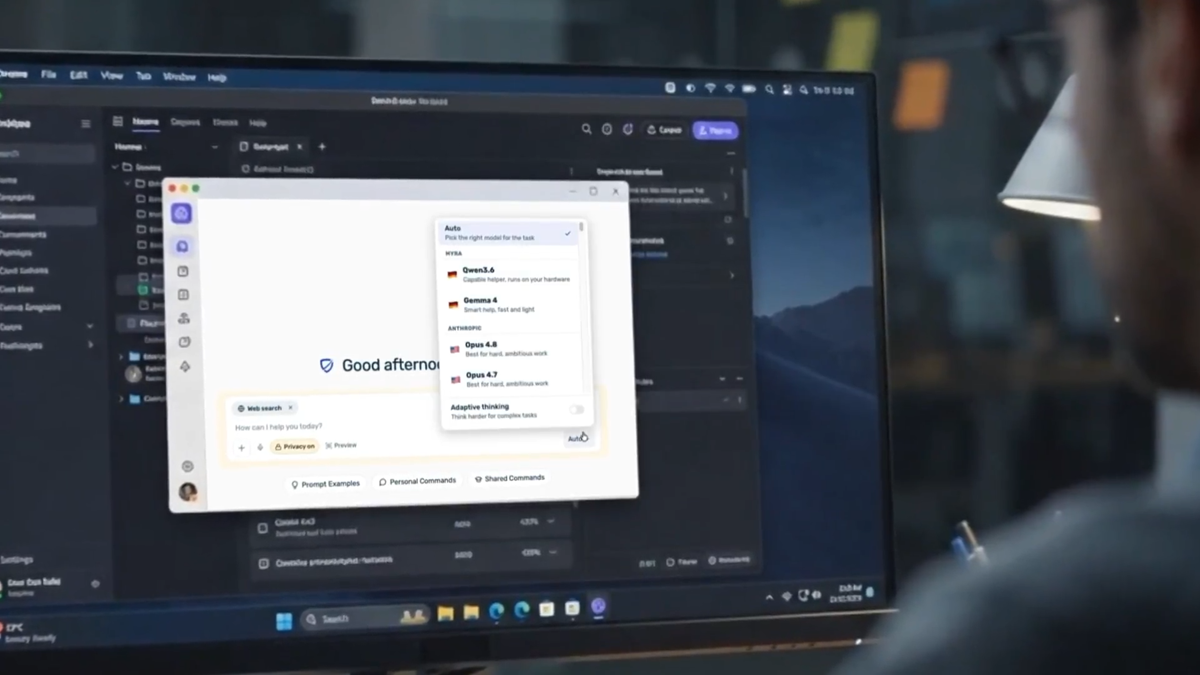
What Is the Best AI Model? It Depends on the Task.
Companies are under pressure to adopt generative AI quickly and company-wide—preferably by making a single, simple decision to choose “the one” model. But this very simplification overlooks just how different AI tasks actually are in day-to-day work and how differently models respond to them.


Make Shadow AI Obsolete Instead of Banning It
AI tools have already become part of everyday work life in many places, though often without the knowledge of the IT department or management. More than 40 percent of employees use personal AI accounts for work-related tasks. After all, when organizations fail to provide a practical, approved alternative, teams find their own ways to work more productively.


Preventing Data Leaks When Using AI: How to Protect Sensitive Data Before It Is Transmitted
Whatever is included in or appended to a prompt typically ends up with an external provider, whose handling of the information is virtually impossible to track. Anyone who wants to put a stop to this loss of control must start exactly where the data leaves the organization.

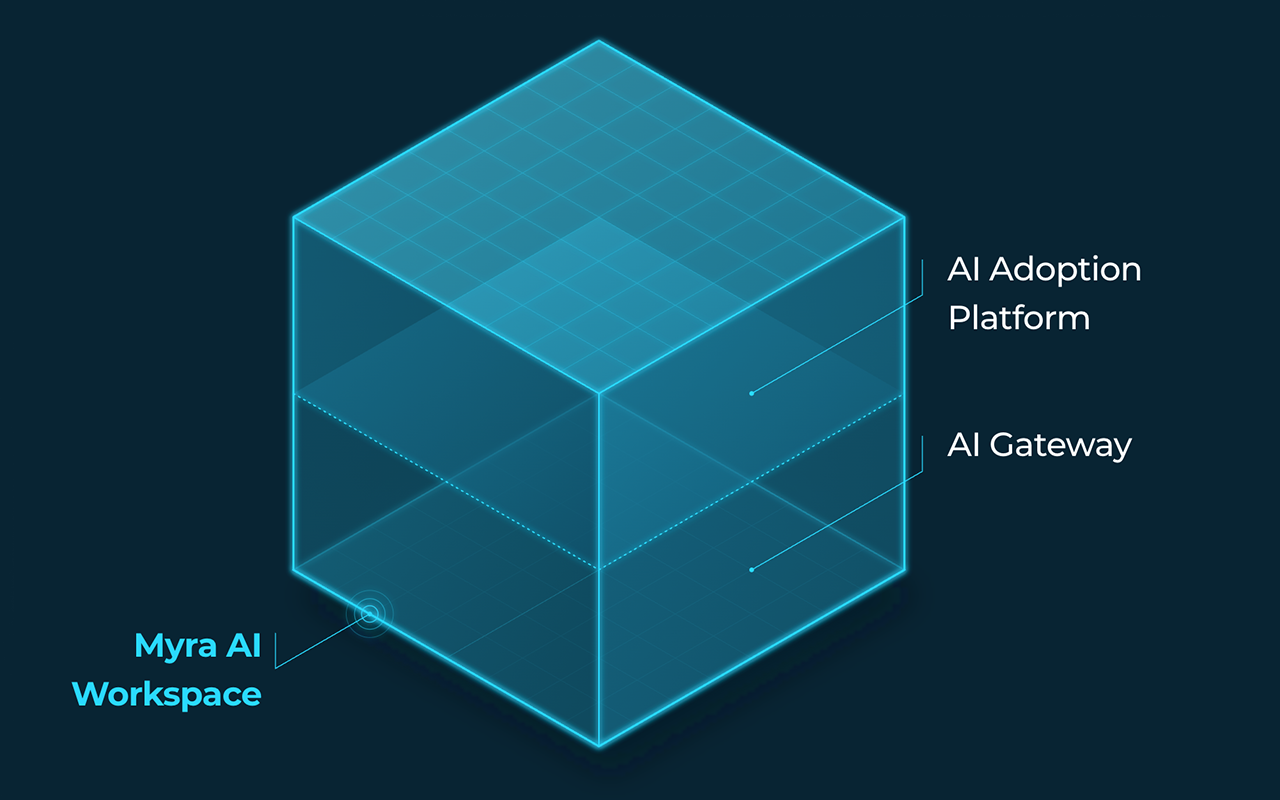
AI Gateway or AI Adoption Platform: What Organizations with Sensitive Data Really Need
Two terms are circulating in the enterprise AI market: “AI gateway” and “AI adoption platform.” They are often used interchangeably. However, they represent different approaches that address different problems.


Trending Topics Cybersecurity – July 2026
July was defined by AI risks and governance questions: AI systems from Anthropic and OpenAI autonomously penetrated the networks of other companies, the EU is preparing contingency measures in the event that advanced AI technology is blocked by third-party states, and Germany's Federal Office for Information Security (BSI) is establishing concrete requirements for trustworthy AI systems for the first time with its audit framework "A5."


Trending Topics Cybersecurity – June 2026
The Five Eyes alliance and the BSI agree: The timeframe for new AI-powered attack capabilities is measured in months, not years. Meanwhile, 74,000 firewalls worldwide have been compromised, Anthropic was ordered by the U.S. government to shut down its AI models within 90 minutes, and approximately 10,500 companies in Germany subject to the NIS 2 regulation have missed the registration deadline.


Trending Topics Cybersecurity – May 2026
AI is accelerating attacks and raising the stakes for cybersecurity. Recent BaFin warnings about AI-driven exploits, new BKA data showing record levels of cybercrime, growing DDoS hacktivism and targeted ransomware attacks all point in the same direction: the threat landscape is intensifying, especially for the financial sector and mid-sized businesses.


Trending Topics Cybersecurity – April 2026
AI is fundamentally changing the cybersecurity landscape: Agencies such as the BSI and the Pentagon are warning of AI-accelerated attack methods, while at the same time, AI-powered defenses and vulnerability remediation are opening up new possibilities for protection.


BSI C3A: The New Standard for Cloud Sovereignty
With the publication of the “Criteria enabling Cloud Computing Autonomy” (C3A) on April 27, 2026, the BSI presented its first-ever assessment framework for digital sovereignty in the cloud sector. This framework transforms what was previously a political buzzword into concrete criteria and a clear benchmark for providers.


IT Security Act: Rules and Obligations from IT-SiG 2.0
The IT Security Act requires operators of critical infrastructure, companies of special public interest, and the federal administration to comply with mandatory IT security standards. With the IT-SiG 2.0 and the implementation of NIS 2, fines have been increased, the scope of regulated organizations has been expanded, and the BSI’s powers have been significantly broadened.

Trending Topics Cybersecurity – March 2026
Recently, several cyberattacks on healthcare facilities have highlighted the severe threat landscape facing critical infrastructure. Meanwhile, recent BSI investigations have revealed serious vulnerabilities in practice management systems that put sensitive patient data at risk.


Trending Topics Cybersecurity – February 2026
The attack on Deutsche Bahn in February showed how far-reaching the consequences of availability failures in critical infrastructure can be—for businesses and society alike. At the same time, the issue of post-quantum cryptography is becoming increasingly urgent. Traditional encryption methods are not future-proof in the long term.


Trending Topics Cybersecurity – January 2026
Hardly any other sector is as much in the crosshairs of cybercriminals as the financial industry. Accordingly, BaFin classifies cyberattacks as a key focus risk for 2026. At the same time, the G7 is providing a roadmap that banks can use to adapt their protective mechanisms to the threat of quantum attacks in a timely manner.
Trending Topics Cybersecurity – December 2025
Entering the new year with NIS-2: December saw the launch of the new NIS-2 security requirements in Germany. At the same time, serious cases of cyberattacks once again underscore the urgency of higher security standards.


2026: Three cyber risks Europe should have on its radar
In 2026, Europe's digital resilience will be put to the test in several ways: geopolitical pressure on digital sovereignty, targeted influence on elections, and new vulnerabilities due to agentic AI. This article shows why dependence on non-European tech platforms is becoming a strategic risk and how cyberattacks, disinformation, and AI exploits interact. It also identifies the three cyber risks that are particularly critical right now and what decision-makers should learn from them.
Trending Topics Cybersecurity – November 2025
In November, we will be focusing on the new BSI status report, the growing risks in digital supply chains, and the question of Europe's digital sovereignty.


Trending Topics Cybersecurity – October 2025
In October, widespread outages at AWS and Microsoft led to hours of disruption to online services worldwide. The outages revealed the extent to which European companies and public authorities depend on US cloud providers. Meanwhile, targeted cyberattacks on government and military institutions underscore the continuing critical threat situation.
Trending Topics Cybersecurity – September 2025
The cost of cyber incidents is a massive burden on the German economy - the damage is estimated at more than 200 billion euros for the first time. Meanwhile, Europe's heavy dependence on US digital services is increasingly becoming a blatant risk: experts report several scenarios that could provoke an abrupt collapse of digital supply chains.


Trending Topics Cybersecurity – August 2025
In August 2025, cyber incidents in Sweden and Germany revealed the vulnerability of public institutions' digital infrastructures. An attack on a central IT service provider cut off hundreds of Swedish authorities, schools and universities from their digital processes. Meanwhile, targeted DDoS attacks in Germany caused city portals and municipal online services to go down.

Trending Topics Cybersecurity – July 2025
Europe's digital sovereignty is being put to the test: experts see the greatest risks in the growing dependence on US technology and the acute danger of US authorities being able to access European data - a clear violation of the GDPR. Meanwhile, the recent DDoS attacks by the group NoName057(16) and the weaknesses in federal IT highlighted by the German Federal Audit Office clearly show how great the need for action to secure critical institutions is.


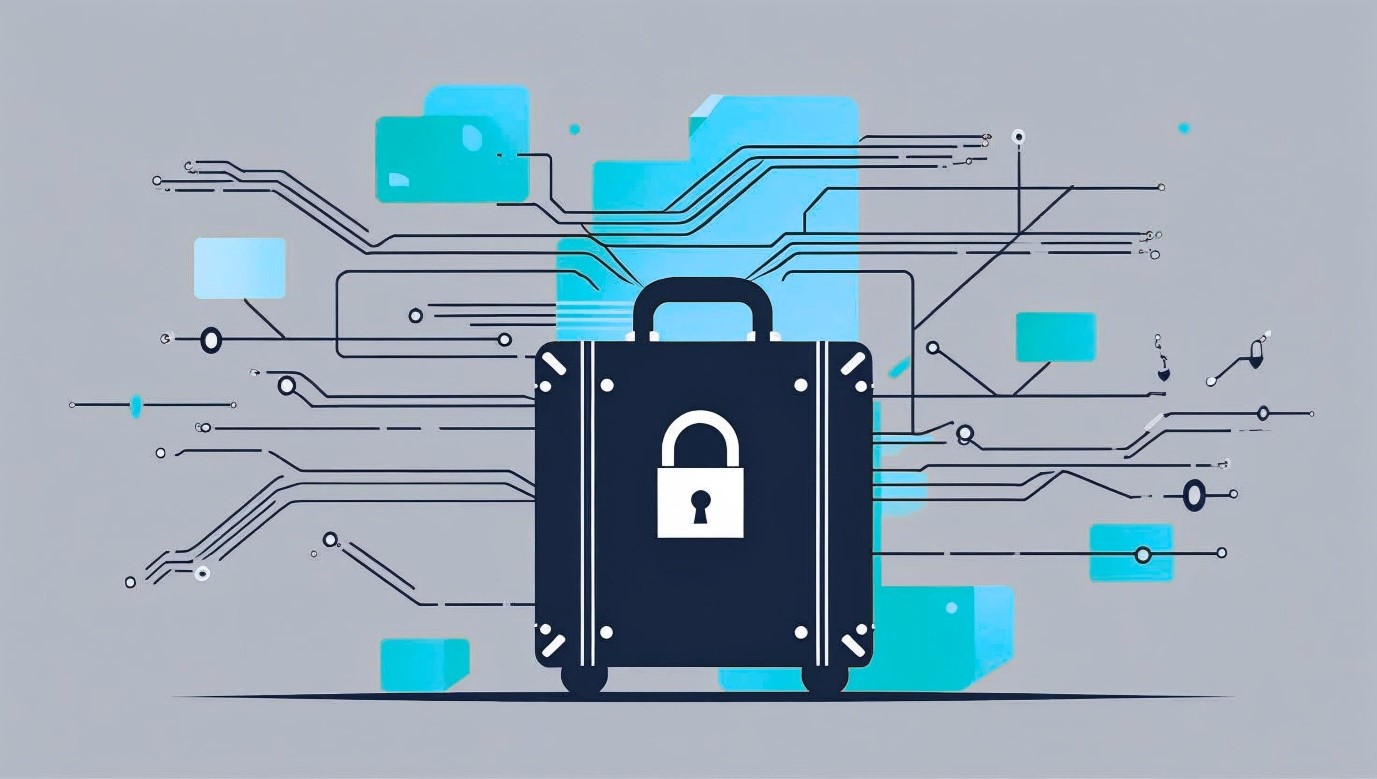
Our data is a suitcase – but who has the key?
Like TSA-certified suitcases, SSL/TLS-encrypted data can also be temporarily opened with a master key. But what if providers from the US hold the key? An article about digital sovereignty and the question of who we should trust in uncertain times.
Trending Topics Cybersecurity – June 2025
Cyberattacks on healthcare, government agencies, and communications services highlight the growing vulnerability of critical infrastructure and the urgency of digital sovereignty. The latest BKA situation report and new EU initiatives underscore that security and resilience must be a priority now.


Trending Topics Cybersecurity – May 2025
Wake-up call for greater digital sovereignty: As the global cyber threat landscape continues to escalate due to geopolitical tensions, experts are calling for sovereign solutions in the digital supply chain to ensure availability and reduce dependencies.


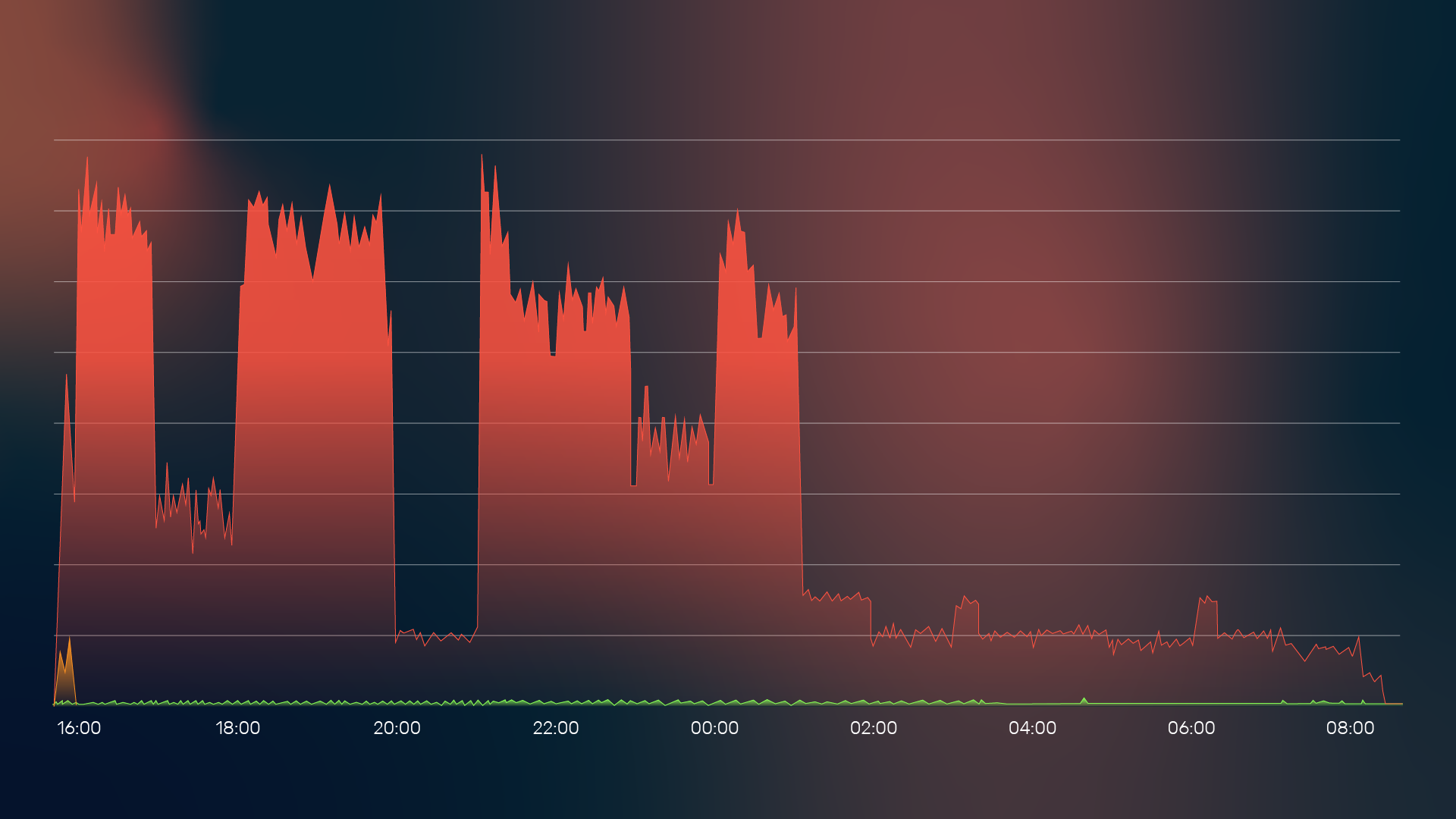
Myra protects German banks from massive wave of DDoS attacks
Following attacks on German city portals, cybercriminals targeted banks and financial service providers with DDoS attacks. Myra defended affected customers. Even complex attack vectors such as Slowloris were detected early and repelled.

Trending Topics Cybersecurity – April 2025
A massive wave of DDoS attacks on German authorities and companies at the end of April once again underscored the growing importance of proactive cyber defense. In the Myra Minds Podcast, Prof. Dr. Dennis-Kenji Kipker explains the importance of digital sovereignty in IT security against the backdrop of compliance risks. Meanwhile, investigative authorities have achieved significant successes in the fight against cybercrime by shutting down central malware platforms.

Trending Topics Cybersecurity – March 2025
Confidence in the USA as a reliable partner is increasingly crumbling. European trade associations and data protection authorities are equally warning of the risks that a sudden discontinuation of the EU-US data privacy framework (DPF) could entail.

Trending Topics Cybersecurity – February 2025
In February, cybercriminals targeted authorities and companies in Bavaria. Numerous outages occurred around the Munich Security Conference due to orchestrated DDoS attacks.

Trending Topics Cybersecurity – January 2025
The digital world is facing major challenges: The Myra Cybersecurity Report 2025 paints a dynamic picture of the current threat situation, while delays in NIS 2 implementation and political developments in the US continue to jeopardize cybersecurity and data protection.

Trending Topics Cybersecurity – December 2024
While complex and coordinated attacks on the private sector and public administration increased again at the end of the year, law enforcement agencies are reporting successes in the systematic fight against cybercriminals.


Cyberrisks to the German Federal Election: Four Key Questions About Security
In the context of the 2025 federal election, political parties, election authorities and other stakeholders are at risk of targeted attacks. Christof Klaus, Director of Global Network Defense at Myra Security, explains the potential cyberthreats and best practices for effective threat prevention.
Trending Topics Cybersecurity – November 2024
While the number of cyber attacks in Germany is increasing dramatically, national and international investigative authorities are successfully taking down cybercriminal networks. But can these successes contain the growing digital threat that is unfolding in times of political upheaval?
Trending Topics Cybersecurity – October 2024
As the cyber security situation continues to worsen in the final quarter, more and more German companies are investing in comprehensive protective measures. At the same time, it is becoming clear once again that cyber attacks pose an existential threat to organizations.


Escalating DDoS Threat Situation Calls for Strategic Responses
The cybersecurity situation has dramatically worsened over the past few months. In the Q3 2024 update, you can learn more about the current developments based on data from the Myra Security Operations Center. Particularly, the increase in DDoS attacks on public institutions highlights the urgency of holistic protection measures.


Trending Topics Cybersecurity – September 2024
In September, Europe, and Austria in particular, was confronted with a wave of cyberattacks. At the same time, recent reports show a worrying increase in the damage caused by organized cybercrime.

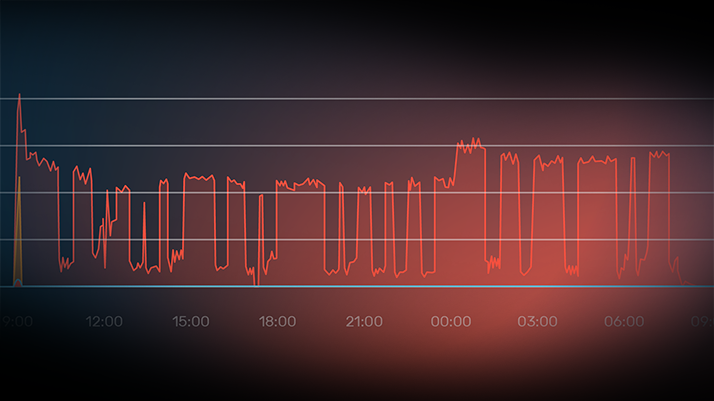
Myra Defends Public Authority in Austria
In the midst of an ongoing wave of attacks on public authorities in Austria, which CERT.at also warned about, Myra protected a central state authority from a massive DDoS attack.

Trending Topics Cybersecurity – August 2024
The threat situation for the German economy is intensifying massively, with increasing damage caused by cybercrime. Among other things, this is due to the significant increase in malicious data streams in the form of DDoS attacks, attacks on vulnerabilities in online applications and bot-based attacks.

Trending Topics Cybersecurity – July 2024
The Crowdstrike incident has highlighted the importance of redundant processes in IT infrastructure to minimise downtime and data loss. Meanwhile, the implementation of NIS-2 in Germany is progressing, but its timely implementation by October 2024 is still questionable.

Trending Topics Cybersecurity – June 2024
Inadequately patched vulnerabilities are a frequent gateway for cyber attacks. In June, attackers used vulnerable security gateways to penetrate the systems of the CDU and KRITIS operators. Meanwhile, security authorities are increasingly concerned about the influence of artificial intelligence on cybercrime.

Trending Topics Cybersecurity – May 2024
The cyber security situation for public organizations is alarming. The number of incidents is growing rapidly and the perpetrators are becoming increasingly professional, while many organizations are not sufficiently prepared.

Trending Topics Cybersecurity – April 2024
Zero-day exploits on the rise: The threat of targeted attacks on newly discovered security vulnerabilities for which no patches yet exist is increasing rapidly. Two trends in particular are responsible for the intensified threat situation.

Trending Topics Cybersecurity – March 2024
The public sector is more at risk from cybercrime than ever before. A wave of massive DDoS attacks hit public organizations in France in March. Overall, the threat situation is becoming more critical due to overload attacks, as a recent IT security survey shows.


Massive DDoS attack on French authorities
Cyber criminals have hit large parts of the French administration with a massive wave of DDoS attacks. Myra security expert Rebecca Roche explains in an interview how administrative authorities can protect themselves against such attacks and what to do in an emergency.

Trending Topics Cybersecurity – February 2024
Europe has become the epicenter of cybercrime. In Germany, spending on IT security has exceeded the €10 billion mark for the first time. Despite successful raids by investigating authorities, cyber groups are quickly reappearing on the scene.

Trending Topics Cybersecurity – January 2024
According to the latest Allianz Risk Barometer, cyber incidents are the top business risk for companies in Germany and worldwide. The German financial supervisory authority BaFin shares this view: it classifies cyberattacks as one of the main risks for the financial sector.
Trending Topics Cybersecurity – December 2023
According to the European Union Agency for Cybersecurity (ENISA), DDoS attacks continue to pose a serious threat. The most affected sector is the government administration sector. More than half of all attacks caused total disruption in the target.
Trending Topics Cybersecurity – November 2023
According to the German Federal Office for Information Security (BSI), the cyber threat situation in Germany remains tense to worrying. This was reflected in numerous extortion and DDoS attacks in November.
Trending Topics Cybersecurity – October 2023
The new Rapid Request attack method threatens countless web servers worldwide via a gap in the HTTP/2 network protocol. Meanwhile, cities and local authorities are increasingly being targeted by cyber criminals. DDoS attacks and encryption Trojans are paralyzing central specialist procedures and cutting off communication channels to citizens.
Trending Topics Cybersecurity – September 2023
According to Germany's digital association Bitkom, data theft, espionage and sabotage cause annual damage of 206 billion euros to the German economy. In September, in addition to extortion attacks, there were again numerous politically motivated DDoS attacks.
Trending Topics Cybersecurity – August 2023
Artificial intelligence and criminal energy: cybercriminals are increasingly abusing the power of intelligent systems for their attacks. Research teams are therefore focusing their attention on the question of which attack scenarios the new technologies make possible.

Cyber Resilience Act makes security by design a must
The CRA defines specific cybersecurity requirements and support specifications for digital products in Europe for the first time. In this way, the EU Commission aims to strengthen the protection of consumers and companies alike.
Web Application Security Report H1 2023
Defcon DDoS: Authorities on alert – In the first half of 2023, Myra's Security Operations Center (SOC) saw a 186 percent year-over-year increase in malicious requests. Most attacks targeted public sector organizations. Read this and more in our H1 2023 semi-annual report.
Trending Topics Cybersecurity – July 2023
The BSI has new leadership and is to be given new powers to oversee the regulation of NIS-2-regulated companies. Meanwhile, a new data protection agreement between the EU and the U.S. enters into force, which has been sharply criticized from the start.
Trending Topics Cybersecurity – June 2023
Cyberattacks are an issue for all organizations - large and small. This fact was evidenced in June by a series of cyberattacks that caused systems at both international hyperscalers and municipal IT providers to fail.

How to avoid downtime: identify and fix the 9 most common causes
Optimal availability and performance are the basic prerequisites for successful websites. In contrast, online service outages cause massive damage. In the Myra Fact Sheet on Downtime Minimization, IT managers find out how to protect their company from such damage.
Trending Topics Cybersecurity – May 2023
In May, there were again numerous cyberattacks on companies and public authorities. At the same time, however, law enforcement agencies also successfully took action against criminal activities on the Net.

NIS-2: What companies need to know now
NIS-2 finally makes IT security a matter for the boss. For companies in Germany, the new EU directive means: stricter requirements, wider scope and more critical consequences.

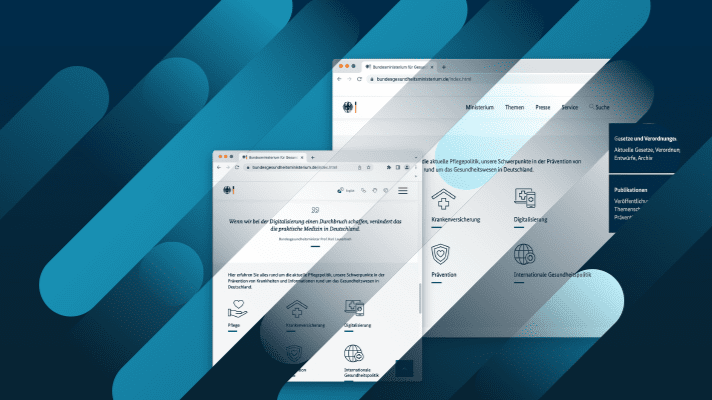
Success Story: Minimizing Downtime for the Federal Ministry of Health
The Federal Ministry of Health was struggling with website downtime due to unexpected traffic spikes and DDoS attacks. Thanks to Myra's GDPR-compliant protection and performance solutions, the ministry was able to minimize the downtime.

Threat Assessment: Assess your attack risk now and identify appropriate protection solutions
Assess your individual threat situation and your current level of protection to specifically optimize your application and network security - quickly and easily with the Myra Threat Assessment Card.

SSL/TLS termination: focus on compliance and trust
Protection and CDN service providers need to decode encrypted traffic to detect attacks and accelerate website content. Therefore, choosing a trusted service provider is crucial.
Trending Topics Cybersecurity – April 2023
Attacks on German government websites are still booming. The BSI even classifies attacks on local authorities as more critical than those on the federal government.

New DDoS attack vector: SLP vulnerability enables amplification attacks with factor 2,200
It should not be long before cybercriminals abuse one of the more than 50,000 vulnerable SLP instances visible on the Internet for volumetric attacks. Myra customers can rest easy, however.

Critical DDoS threat situation persists: government organizations increasingly under attack
No relief at the start of the year: the number of attacks on websites, Internet portals and APIs in the first quarter of 2023 is at the high level of the previous year.
Trending Topics Cybersecurity – March 2023
Public authorities and the healthcare sector are frequent targets for cyber criminals. These sectors are particularly susceptible to blackmail methods, as extremely sensitive information is processed there. The attackers' unscrupulousness knows no bounds.
Trending Topics Cybersecurity – February 2023
The BSI has new leadership and even NATO or the FBI are not immune to cyberattacks.
Trending Topics Cybersecurity – January 2023
Despite the acute threat situation, many companies still underestimate the massive consequences of cyberattacks - with serious consequences.

Success Story: Myra secures NFON's cloud communication services
Elementary & highly complex: How NFON protects IP telephony from cybercriminals with certified Myra services.

Success Story: Collaboration platform Stackfield relies on managed security services from Myra
The search for a DSGVO-compliant, preventive DDoS protection for all collaboration platform applications led Stackfield to Myra.

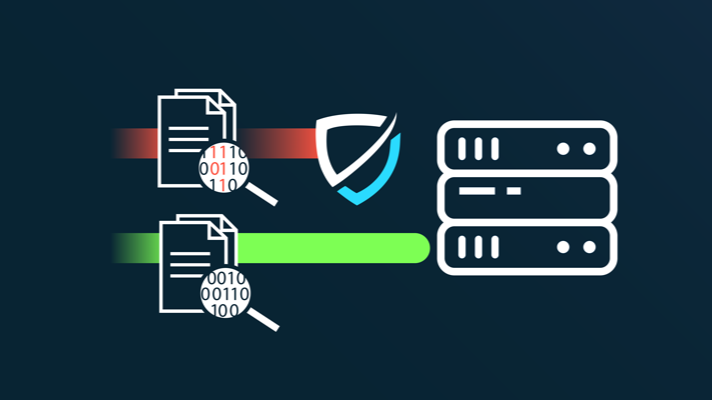
Attackers exploit zero-day vulnerability in Atlassian Confluence for remote code execution
Attackers are using a zero-day vulnerability in Confluence Server and Data Center to deliver malicious code to vulnerable systems - threatening massive damage. Learn how Myra protects against the new threat here.

Success Story: Compliant IT security for the financial sector
Compliant IT security for the financial sector: Find out in our success story why Finoa relies on Myra Security to outsource digital protection solutions.

Hackers use Spring4Shell exploit for remote code execution
Hackers are using the Spring4Shell vulnerability to inject malicious code onto vulnerable servers, posing the threat of major damage. Learn here how Myra protects against the new threat.


Risks in BaFin’s Focus 2022: Supervisory Authority Wants to Intensify Dedicated IT Audits
Cyber incidents pose a growing threat to the financial industry. BaFin is responding to this development with tighter IT controls and enforcement measures.


Fend off DDoS extortion: Success Story with mailbox.org
The mailbox.org email service was targeted by DDoS extortionists last fall. With the help of Myra Security, the operator Heinlein Hosting was able to secure the availability of the service without paying protection money.


Supervisory authorities step up data protection controls in the public sector
EU supervisory authorities have launched a comprehensive investigation into cloud use in the public sector. The objective is to uncover and remedy any breaches of data protection.

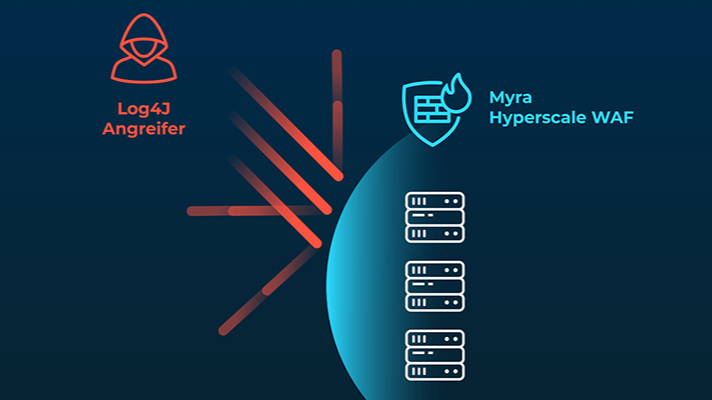
Log4J vulnerability: internet on red alert
The critical “Log4Shell” vulnerability in the Java Log4J library enables attackers to inject malicious code on web servers and inflict massive damage. Find out everything you need to know about the vulnerability and how you can protect yourself.


Cyber incidents are the greatest risk to companies
Allianz rates cyber incidents caused by attacks or technical failures as the most significant risk for companies in 2022.

Operational resilience: BaFin puts even greater focus on cybersecurity
BaFin has set itself the goal of strengthening the operational resilience of the financial industry. An important part of this is the digital safeguarding of banks, insurance companies, and affiliated service providers.

Regulators take action against unauthorized use of U.S. cloud service providers
In an interview, KPMG legal expert Sebastian Hoegl reveals how Europeancompanies can best respond when they get a letter from the data protection authority or have concerns about whether they are violating data protection provisions by using U.S. cloud service providers.

A scalpel, not a shotgun: DDoS extortion with increasing precision
Extortionists are increasingly targeting cash-rich companies in critical sectors such as finance and healthcare. Having preventive protection for operational business is therefore crucial.


223 billion euros in damage caused by cyber attacks – why the number of unreported cases is much higher
When critical infrastructure is attacked, the actual damage is far greater. That is why the protection of critical infrastructure is fundamental to the well-being of us all.


BaFin revises MaRisk and BAIT: Higher compliance requirements for banks
In light of advancing digitalization, cybersecurity is becoming an even greater focus of supervisory attention. Institutions must prepare for new or more specific regulations related to outsourcing, contingency management, and effectiveness controls, for example.

The lessons from the cyber disaster in Anhalt-Bitterfeld
For maximum security, existing protective measures should be continuously reviewed and adapted. Specialized service providers can help with this.

Digital bank heists: Bonnie and Clyde would be hackers today
These days, bank robbers are no longer armed with a handgun nor wear a hood – a laptop and just a bit of criminal energy are often all that’s needed.


IT security creates a foundation of trust for e-health solutions
In the healthcare sector, digital solutions are increasingly being used in administration, diagnostics, and treatment. Security and data protection are given top priority in order to promote social acceptance of e-health.


Financial regulator steps up controls on IT and cybersecurity
In light of advancing digitalization, cyber risks are becoming an even greater focus for BaFin. The supervisory authority is paying particular attention to the outsourcing of IT services.

Cyber insurance: DDoS and blackmail cause the most expensive damage
While external attacks account for the majority of the damage, internal incidents are the most common cause of cyber damage—but with a lower financial impact.

Cyber warfare: US military succeeds in strike against the TrickBot botnet
The U.S. Cyber Command has temporarily disrupted the botnet allegedly controlled by Russian cyber criminals to prevent it from impacting the U.S. presidential election.

BSI report: “Threat situation in the KRITIS sector remains at a high level”
CRITIS operators across sectors face DDoS and ransomware attacks in particular. Complex DDoS attacks on banks caused disruptions in payment transactions.


Lives depend on cybersecurity in critical infrastructures
A ransomware attack brought down key systems at the University Hospital of Düsseldorf. Due to limited operations, there were major restrictions in patient care – with tragic consequences.

BaFin demands higher hurdles for IT outsourcing
Raimund Röseler, BaFin Executive Director for Banking Supervision, is in favor of IT outsourcing to qualified service providers. However, he is calling for the right of direct control over the service providers. Banks must choose their IT partners with care.


Cloud computing in the passing lane
The topic of cloud computing is more important for German companies than ever before. Over three-quarters of all companies relied on computing power from the cloud last year - and the trend is still rising.


Digitalization in healthcare in demand as never before
Digitalization in healthcare in demand as never before
International studies show that patients are increasingly demanding digital treatment methods such as telemedicine, health apps or AI-supported diagnosis programs. However, IT security, data protection and compliance are the basis for successful digitalization in the healthcare sector.


IT Security Act: Major update on the way
The draft bill for the revised IT Security Act 2.0 provides for a transformation of the BSI into a powerful cyber security authority. In addition, KRITIS operators will be subject to new regulations.